
Why Am I So Tired? 7 Hidden Causes of Daytime Fatigue
Affiliate Disclosure: This page contains affiliate links. If you purchase through my links, I may earn a commission at no extra cost to you. As an Amazon Associate I earn from qualifying purchases.
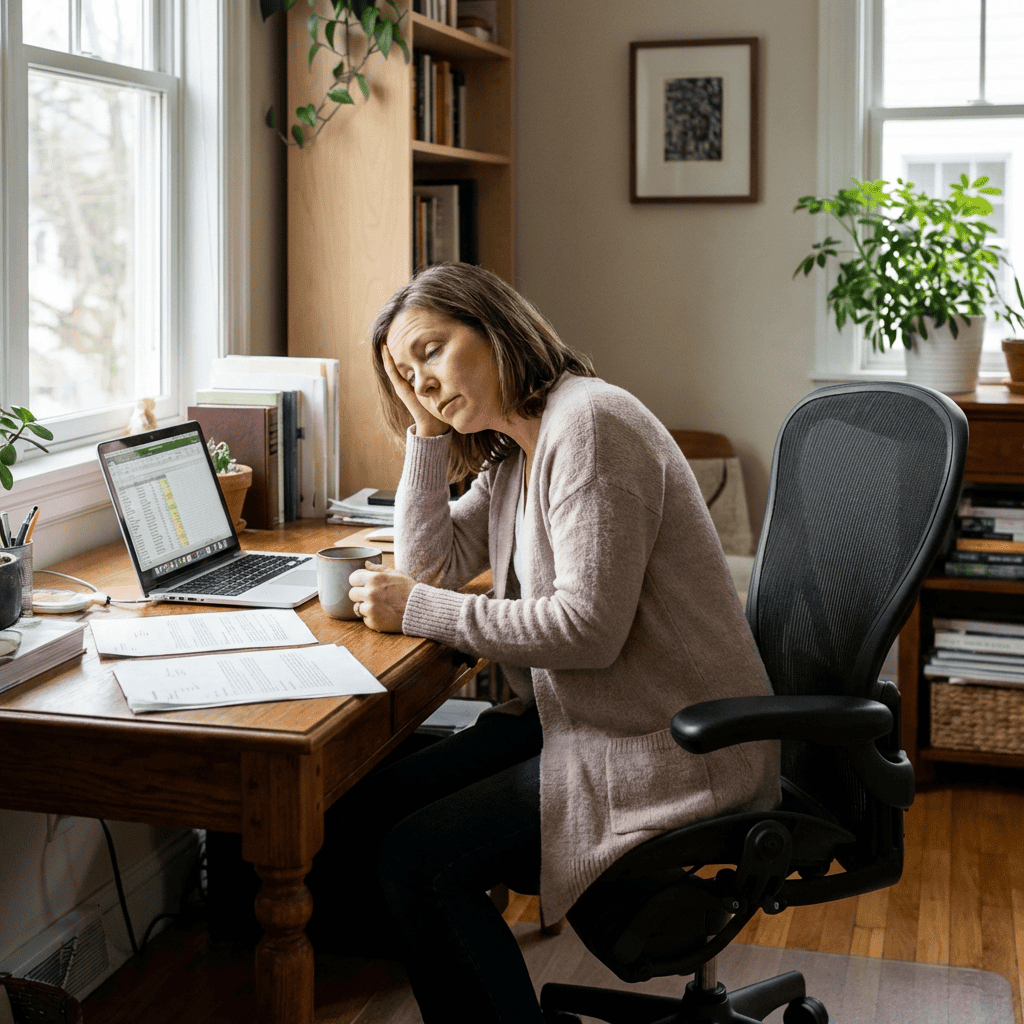
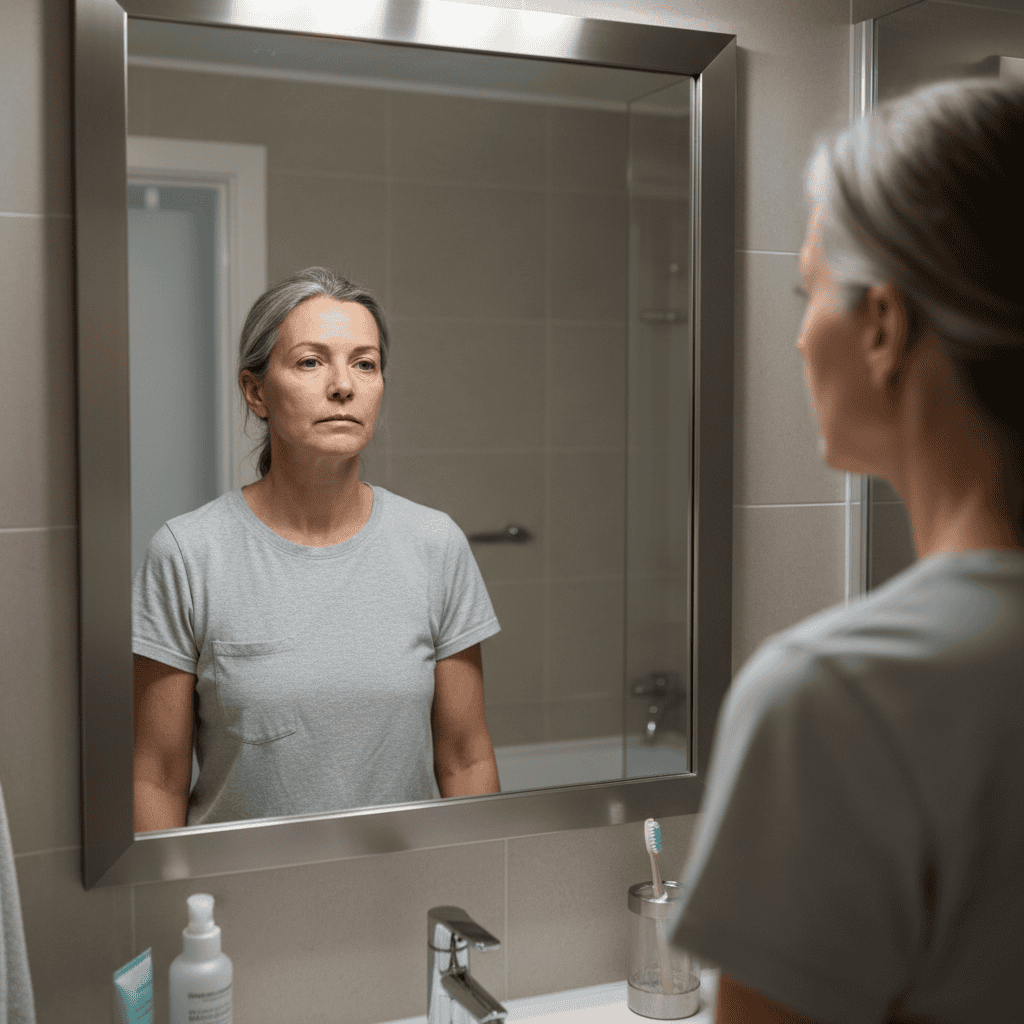
I drank four cups of coffee a day and still felt exhausted by 2pm. Over the years, I experienced chronic fatigue on a daily basis. I always attributed it to my underactive thyroid (hypothyroidism), but once I retired and had more time to take better care of myself, I realized something else had to be going on. The coffee I had relied on for years for a quick energy boost suddenly stopped working.
So I had blood work done. While there were a few minor issues, nothing major explained why I felt so exhausted all the time.
I started looking at everything: what I was eating, drinking, and the supplements and medications I was taking and uploaded my list into ChatGPT to help me spot patterns. I know…it sounds a little unconventional, but it helped me notice timing issues and common side effects I hadn’t considered before. Note: I wasn’t using it for medical advice, just to help me notice patterns I could bring to my doctor.
That’s when I discovered that an allergy medication I had taken for years could still affect the brain and cause drowsiness in some people even though it’s labeled “non-drowsy.” After switching to a different type with my doctor’s guidance, my low energy improved significantly.
That experience made me realize how many everyday habits, foods, or medications can quietly drain our energy.
What Causes Sudden Daytime Fatigue?
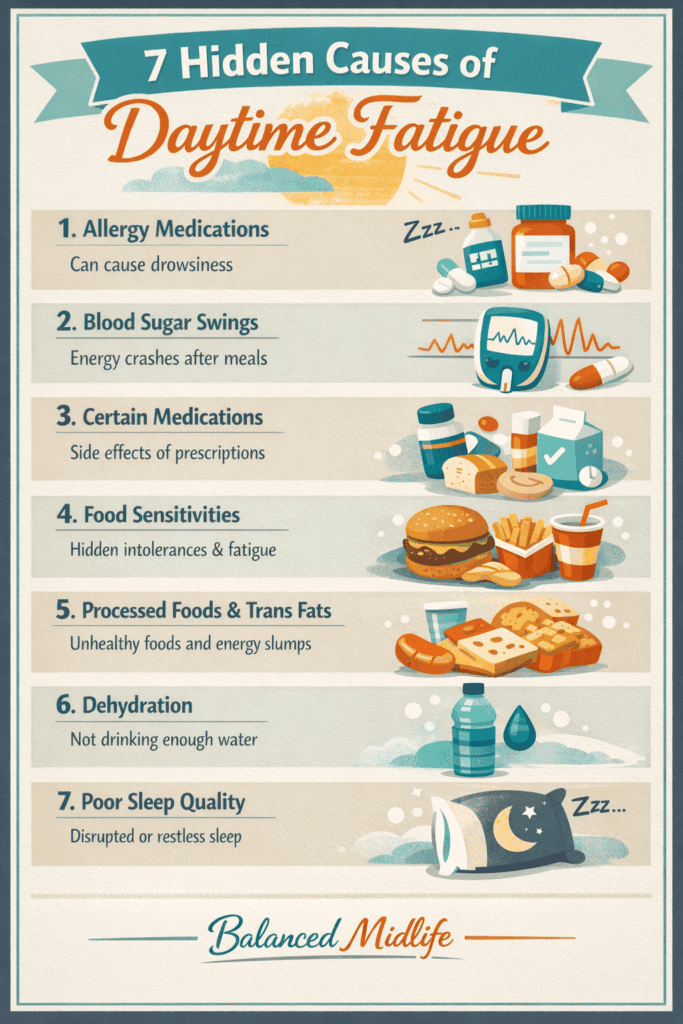
If you’ve been asking yourself “Why am I so tired lately?”, especially when your labs look normal, these seven hidden causes might be worth exploring. Many midlife women experience fatigue that goes beyond typical perimenopause symptoms, and identifying the root cause can be life-changing.
1. Over-the-Counter Allergy Medications (Like Zyrtec)
This was the one that surprised me most. I had been taking Zyrtec (cetirizine) every morning for seasonal allergies and didn’t realize it could contribute to daytime sleepiness and chronic fatigue.
Why It Can Make You Sleepy
Antihistamines work by blocking histamine receptors. Histamine is released during allergic reactions, but it also plays a role in wakefulness and alertness.
Zyrtec is considered a second-generation antihistamine and is generally less sedating than older options like Benadryl. However, some people are more sensitive, and research suggests that a percentage of users still experience drowsiness.
Even though it crosses the blood-brain barrier less than older medications, it can still affect brain chemistry in certain individuals, especially in midlife women whose bodies may process medications differently.
The Fix
If you suspect your allergy medication may be contributing to fatigue:
- Try taking it at night instead of the morning
- Talk with your doctor about alternative antihistamines
- If you’re unsure whether a medication could be affecting your energy, talk with your doctor or pharmacist before making changes, especially if you take it daily or have other health conditions
For me, changing medications made a noticeable difference within just a few days.
2. The Blood Sugar Rollercoaster
Picture this: You grab a bagel and orange juice for breakfast, eat a pasta salad for lunch, then find yourself crashing on the couch by 3pm, wondering why you’re so tired after eating.
Why It Can Make You Sleepy
Foods high in refined carbohydrates or sugar can cause rapid spikes in blood glucose. Your body releases insulin to lower it, but sometimes levels drop quickly afterward, which may leave you feeling drained and experiencing low energy.
Some research suggests that people who experience larger blood sugar fluctuations report more fatigue and brain fog after meals. Blood sugar swings can also influence cortisol, hunger hormones, and sleep patterns which are all critical factors for midlife women already dealing with hormonal changes.
The Fix
- Pair carbohydrates with protein, healthy fats, and fiber
- Choose slower-digesting carbs like legumes, vegetables, and whole grains
- Watch portion sizes
- Eat meals at consistent times to stabilize blood sugar
Example Swap: Instead of toast with jam (quick spike), try avocado toast with eggs (sustained energy).
💡 Balanced Midlife Tip:
Some people who are not diabetic choose to use a continuous glucose monitor (CGM) for a short time to observe how different foods affect their energy levels. Devices like the Lingo CGM are marketed toward metabolic awareness. They’re not a replacement for medical care, but they can help you gather information to discuss with your doctor.
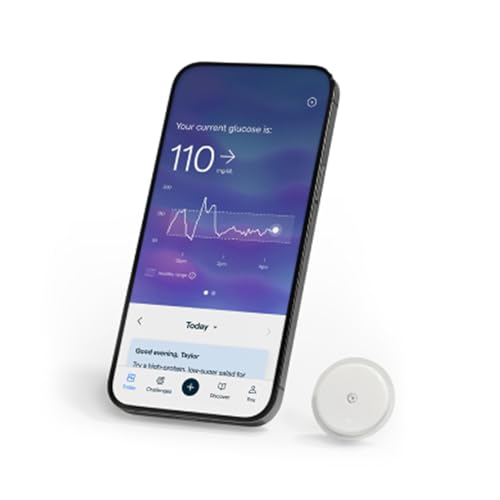
- HSA/FSA eligible. No prescription needed.
- 24/7 GLUCOSE TRACKING. See your glucose response to food, exercise, sleep, and other lifestyle factors via the Lingo app…
- OPTIMIZE YOUR NUTRITION. Discover which foods work for you and those that don’t. The Lingo app shows you how specific me…
3. Other Common Medications
It’s not just allergy meds, many everyday prescriptions and over-the-counter medications list fatigue as a potential side effect.
Possible Contributors
- Blood pressure medications (including some beta-blockers)
- Certain antidepressants
- Muscle relaxants
- Opioid pain medications
- Anti-anxiety medications
- Some sleep aids (ironically)
Many of these affect neurotransmitters that regulate alertness and can contribute to that “why am I always tired” feeling.
The Fix
Never stop prescribed medications on your own. But if chronic fatigue started after a medication change, bring it up with your provider, sometimes adjusting timing or dosage can help significantly.
Pro tip: Keep a simple log for one week noting when you take medications and when fatigue hits. Patterns may emerge that help your doctor adjust your treatment plan.
4. Hidden Food Sensitivities
You don’t need a full food allergy to feel drained after eating certain foods.
Why It Can Make You Sleepy
For some people, certain foods may trigger inflammation or digestive stress, which can leave them feeling fatigued shortly after meals. This is different from blood sugar crashes, it’s more of a heavy, sluggish feeling that can last for hours.
Common triggers people explore include: gluten, dairy, eggs, or certain additives, though responses vary widely. Many midlife women discover new sensitivities that weren’t present in their younger years.
The Fix
- Keep a simple food and symptom journal for 2-3 weeks
- Look for patterns rather than single reactions
- Note not just what you ate, but how you felt 1-3 hours later
- Consider discussing elimination diets or testing with your doctor
What to track: Food, time eaten, energy level 2 hours later (scale 1-10), any other symptoms (bloating, brain fog, etc.)
5. Ultra-Processed Foods and Trans Fats
Convenience foods may save time, but they can also affect energy levels more than you realize.
Why They Can Make You Sleepy
Industrial trans fats have been strongly linked to heart disease, which is why the World Health Organization has called for eliminating them globally. But they also impact cellular function and inflammation levels.
Ultra-processed foods may also lack key nutrients needed for cellular energy production, which can contribute to sluggishness and that persistent “tired all the time” feeling. They’re often high in refined carbs and low in protein, fiber, and healthy fats, the very nutrients that support sustained energy.
The Fix
- Check labels for “partially hydrogenated oils”
- Swap fried foods for baked or grilled options
- Focus on whole, colorful foods more often than packaged snacks
- When you do buy packaged foods, look for ones with recognizable ingredients
Easy win: Replace one processed snack per day with whole food alternatives. Chips → nuts, granola bar → apple with almond butter, crackers → veggies with hummus.
6. Dehydration
This one seems simple, but it’s incredibly common and often overlooked when people ask “why am I so tired?”
Why It Can Make You Sleepy
Even mild dehydration can affect mood, concentration, and energy levels. When fluid intake is low, blood volume decreases and the body works harder to circulate oxygen and nutrients to your cells.
The Institute of Medicine suggests roughly 12 cups of fluids per day for women and 15 for men, from all beverages and foods combined, though individual needs vary based on activity level, climate, and health status.
Many midlife women don’t drink enough water because they’re trying to manage frequent urination or other bladder concerns, but dehydration can actually make those issues worse.
The Fix
- Sip water throughout the day instead of waiting until you feel thirsty
- Set phone reminders if you tend to forget
- Eat water-rich foods (cucumbers, watermelon, oranges, soup)
- Track intake for a few days to see if you’re meeting your needs
Hydration hack: Keep a filled water bottle visible on your desk. You’ll drink more when it’s right in front of you.
Pro Tip: Use a water bottle or glass without a straw. Using a straw frequently can cause dental cavities, increased facial wrinkles and digestive bloating from swallowing excess air. Additionally, plastic straws can leach chemicals and microplastics.
7. Poor Sleep Quality (Not Just Quantity)
You can sleep eight hours and still wake up exhausted if your sleep cycles are disrupted.
Why It Can Make You Sleepy During the Day
Conditions like sleep apnea, sinus issues, stress, perimenopause hot flashes, or excessive screen time can interrupt deep sleep and REM sleep, the stages responsible for physical and mental restoration.
Sleep apnea is particularly common in midlife women (and men) and is often undiagnosed. When breathing repeatedly stops during sleep, your brain has to partially wake you up to restart breathing, even if you don’t remember waking.
The Fix
- Keep a consistent sleep schedule (even on weekends)
- Create a cool, dark sleep environment (65-68°F is ideal)
- Limit screens 1-2 hours before bed
- Talk to your doctor if you snore loudly, wake up gasping, or feel exhausted despite adequate sleep
- Consider taking Magnesium Glycinate before bedtime if you’re having trouble falling or staying asleep
💡 Balanced Midlife Tip: Look at Your Nighttime Oxygen Trends
Wearable oxygen monitors, sometimes called O₂ rings, can give you a snapshot of your overnight oxygen levels and breathing patterns. They don’t diagnose sleep apnea, but they may help you notice trends worth discussing with a healthcare provider, especially if you wake up exhausted or snore frequently.
I started tracking mine and discovered my oxygen was dipping more than expected, it prompted a conversation with my doctor that led to real solutions. This is the ring I have but you can also track this if you have an Oura Ring.
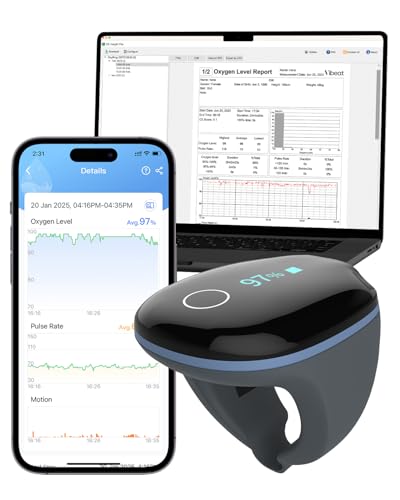
- Real-time Notification: You can set your own blood oxygen and pulse rate notification thresholds. If your 02 level or PR…
- Detailed APP & PC Report: Free PC Software and APP provide graphic records for trends of oxygen level, heart rate and bo…
- Long Time Continuous Recording: It can be used to do continuous tracking of blood oxygen level, heart rate and body moti…
The Bottom Line
Fatigue isn’t always just “getting older” or “just perimenopause.” Often, there’s a specific reason behind it and once you identify that reason, you can start making meaningful changes.
For me, Zyrtec was a major contributor to my chronic fatigue. For you, it might be blood sugar swings, dehydration, sleep quality, or something else entirely.
Your action plan:
- Review all medications and supplements with your doctor or pharmacist
- Track your food and energy patterns for one week
- Check your hydration levels
- Evaluate your sleep environment and quality
- Make small adjustments one at a time so you can see what truly helps
And if fatigue persists despite these changes, talk with your healthcare provider. Conditions like anemia, thyroid disorders, vitamin deficiencies, or sleep apnea may need evaluation.
You deserve to feel energized and vibrant, not just push through the day.
Want a Simple Way to Track These Triggers?
Download my free “7 Hidden Fatigue Triggers Checklist” and start identifying what’s draining your energy today. It includes a simple tracking sheet and action steps for each cause.
Have you discovered any hidden causes of low energy in your own life? I’d love to hear about it in the comments below!
Small but Important Note
This article reflects personal experience and general research and is intended for educational purposes only, not medical advice. Always consult a qualified healthcare professional before making changes to medications or treatment plans.
Related Posts
- Understanding Insulin Resistance in Midlife
- The Importance of a Good Morning Routine (Science-Backed Benefits + Simple Daily Plan)
- The Realistic 12-Week Workout Plan for Women Over 50 (No Gym Required)





Leave a Reply