Gut Health in Midlife: Symptoms, Hormones, Testing & What Actually Helps
Affiliate Disclosure: This page contains affiliate links. If you purchase through my links, I may earn a commission at no extra cost to you. As an Amazon Associate, I earn from qualifying purchases. This content is for educational purposes only and is not medical advice. Always consult your healthcare provider regarding persistent or severe symptoms.

You’re eating the same way you always have, but now you’re bloated before lunch. Or you’re waking up feeling foggy, sluggish, and somehow heavier than the night before. Maybe you’ve quietly started avoiding foods you used to love because the aftermath just isn’t worth it anymore.
Sound familiar? You are not imagining it, and you are absolutely not alone.
For so many women in their 40s and 50s, digestion quietly shifts in ways that feel confusing and frustrating. What worked for your body a decade ago might not be working now, and that can feel disorienting. The good news? There are real, evidence-informed reasons this happens, and real things you can do about it.
This post is your starting point. We’ll walk through what’s actually going on in your gut during midlife, how hormones are driving more of it than you might realize, and what genuinely helps (and what doesn’t).
Why Gut Health Matters More in Midlife
Your gut does a lot more than digest food. It sits at the center of some of your body’s most important systems and that means when your gut is off, you can feel it everywhere.
Nearly 70% of your immune system is housed in your gut. Your digestive tract is also home to trillions of microorganisms, bacteria, fungi, and other microbes, collectively known as the microbiome. This ecosystem helps regulate inflammation, supports hormone metabolism, produces certain vitamins and neurotransmitters, and keeps your intestinal lining intact.
As we move through perimenopause and menopause, hormonal changes directly influence how the gut functions. Digestion can slow. The microbiome can shift. Inflammation can quietly increase. And symptoms that seem totally unrelated, like brain fog, low mood, or skin flare-up, may actually trace back to what’s happening in your gut.
This isn’t about adding another thing to your wellness to-do list. It’s about understanding your body so you can support it in the right ways at the right time.
What Is “Gut Health,” Exactly?
“Gut health” has become a bit of a buzzword, so let’s ground it in something real. Healthy gut function generally involves four key things working together:
- A balanced microbiome — a diverse community of beneficial bacteria and microorganisms living in your digestive tract
- Proper digestion and nutrient absorption — your body’s ability to break down food and pull out what it needs
- A healthy intestinal lining — the barrier that keeps beneficial nutrients in and harmful particles out
- Normal gut motility — the rate at which food moves through your system, affecting both constipation and diarrhea
When this system becomes imbalanced, a state often called dysbiosis, symptoms can appear gradually and feel completely unrelated to digestion. That’s part of what makes gut issues so tricky to identify.
Common Digestive Issues in Midlife
If you’re experiencing new or worsening digestive symptoms in your 40s or 50s, you are in very good company. Some of the most commonly reported symptoms include:
- Bloating that worsens throughout the day
- Persistent gas and abdominal pressure
- Constipation or sluggish digestion
- Acid reflux or heartburn that seems to have come out of nowhere
- Irregular bowel movements
- New food sensitivities or intolerances you didn’t have before
Some women also receive diagnoses that explain these patterns, including IBS (Irritable Bowel Syndrome), GERD, SIBO (Small Intestinal Bacterial Overgrowth), celiac disease, or gallbladder dysfunction. If your symptoms are persistent or worsening, it’s worth having a conversation with your healthcare provider rather than making assumptions or trying to self-diagnosis.
Symptoms That May Be Gut-Related (But Don’t Always Seem Like It)
One of the most important. and underappreciated aspects of gut health is that it shows up in places you’d never expect. Here’s what to keep an eye on:
Digestive Symptoms
- Bloating and cramping
- Feeling overly full after small meals
- Excess gas or abdominal pressure
- Changes in stool frequency, consistency, or urgency
Non-Digestive Symptoms Sometimes Linked to Gut Imbalance
- Brain fog and difficulty concentrating
- Persistent fatigue that doesn’t resolve with rest
- Skin issues like acne, eczema, or rosacea flare-ups
- Joint discomfort and low-grade inflammation
- Mood fluctuations, anxiety, or irritability
- Strong sugar or carbohydrate cravings
Not every symptom is gut-related but if you’re experiencing several of these at once, your gut is worth investigating. The gut-brain axis (the direct communication pathway between your gut and your brain) means that gut imbalance can genuinely affect how you think, feel, and function day-to-day.
Hormones and Digestion: The Midlife Connection
Here’s something many women are never told: your hormones and your gut are in constant conversation. As estrogen and progesterone shift during perimenopause and menopause, digestion often changes right along with them. Understanding why can make what you’re experiencing feel a lot less mysterious.
Estrogen and Gut Motility
Estrogen plays an active role in regulating how quickly food moves through your digestive tract. When estrogen levels decline, digestion can slow noticeably, contributing to constipation, more pronounced bloating, and a general sense of sluggishness after meals.
Estrogen also influences bile production in the liver. Bile is critical for breaking down dietary fats, and lower estrogen levels can change how efficiently this happens. This may explain why foods that never bothered you before, like a rich meal or a creamy sauce. suddenly leave you feeling uncomfortable.
Progesterone and Slower Digestion
Progesterone naturally slows gut motility. During the hormonal fluctuations of perimenopause, progesterone levels can be erratic, rising and falling unpredictably, which contributes to an inconsistent digestive experience. Some days feel fine; others feel like everything has ground to a halt.
The Estrobolome: Your Gut’s Hidden Role in Hormone Balance
This is one of the most fascinating and least talked about connections in women’s health.
A specific subset of your gut bacteria is responsible for metabolizing and recycling estrogen. Scientists call this community of bacteria the estrobolome. Here’s how it works: after estrogen is used and processed by the liver, it gets sent to the gut to be eliminated. Your estrobolome helps determine whether that estrogen gets excreted or gets reactivated and recirculated back into the bloodstream.
When the estrobolome is healthy and balanced, this recycling process is well-regulated. But when the microbiome is disrupted, through stress, antibiotics, a low-fiber diet, or other factors, the estrobolome can become imbalanced, which may lead to:
- Improperly elevated or fluctuating estrogen levels
- Worsening estrogen dominance symptoms (heavy periods, mood swings, bloating, breast tenderness)
- Increased estrogen reabsorption, particularly when constipation slows elimination
This is a key reason why gut health and hormone balance are not separate issues in midlife, they’re deeply intertwined. Supporting a healthy microbiome is one of the most meaningful things you can do for your hormones, not just your digestion.
What Is “Leaky Gut” (Intestinal Permeability)?
You may have heard the term “leaky gut” and wondered whether it’s a real medical concern or wellness-world hype. The truth, as with most things, is somewhere in the middle.
The lining of your intestines is designed to act as a selective barrier, allowing nutrients through while keeping larger, potentially problematic particles out. When this barrier becomes compromised, a condition called increased intestinal permeability can occur. Essentially, tiny gaps form in the intestinal lining, allowing molecules that shouldn’t cross into circulation to do so, which may trigger immune responses and widespread inflammation.
“Leaky gut syndrome” as a standalone diagnosis isn’t universally recognized in conventional medicine, but increased intestinal permeability is actively studied and is associated with conditions like celiac disease, IBS, and inflammatory bowel disease. Many functional medicine practitioners also consider it a contributing factor to broader systemic inflammation.
Factors That May Compromise Intestinal Barrier Function
- Chronic stress (this one is underestimated, ongoing stress directly affects gut lining integrity)
- Ultra-processed foods and high sugar intake
- Excess alcohol
- Frequent NSAID use (ibuprofen, aspirin, naproxen)
- Antibiotic use without probiotic support
- Low fiber intake
If you suspect chronic inflammation may be at play, this is a great conversation to have with your provider. Testing and professional evaluation are important before drawing conclusions.
Conditions That Can Mimic “Just Gut Issues”
One of the most important things to know: not all bloating or abdominal discomfort is digestive in origin. Several other conditions can produce very similar symptoms, including:
- Thyroid disorders (hypothyroidism commonly causes constipation and bloating)
- Ovarian cysts
- Endometriosis
- Kidney stones
- Gallbladder dysfunction
- Food allergies (distinct from intolerances)
- Anxiety disorders (the gut-brain connection works in both directions)
This is exactly why self-diagnosing can send you in the wrong direction. If your symptoms are persistent, worsening, or impacting your quality of life, please bring them to your provider with as much specific detail as possible including: timing, triggers, frequency, and what makes them better or worse.
Testing to Discuss With Your Doctor
If digestive symptoms have been lingering, testing can give you and your provider real data to work with. Some options worth discussing:
- Comprehensive stool analysis — assesses microbiome diversity, pathogens, inflammation markers, and digestive function
- SIBO breath testing — detects bacterial overgrowth in the small intestine
- Celiac panel — blood test for celiac disease (should be done before going gluten-free, or results won’t be accurate)
- H. pylori testing — for stomach ulcer-related symptoms
- Thyroid panel — especially if fatigue, constipation, and weight changes are present together
- Age-appropriate colon cancer screening — ask your provider when this should start for you
Testing should always be guided by a licensed medical professional. But going in with knowledge of what’s available helps you advocate for the right workup rather than leaving with a “you’re fine” and no answers.
Practical Ways to Support Gut Health in Midlife
Before we talk supplements, it’s worth saying this clearly: the foundational habits matter far more than any pill or powder. Most women who see meaningful improvement in their gut symptoms do so through consistent, unglamorous daily choices, not a single magic product. That said, there are some helpful products if you know what the issue is.
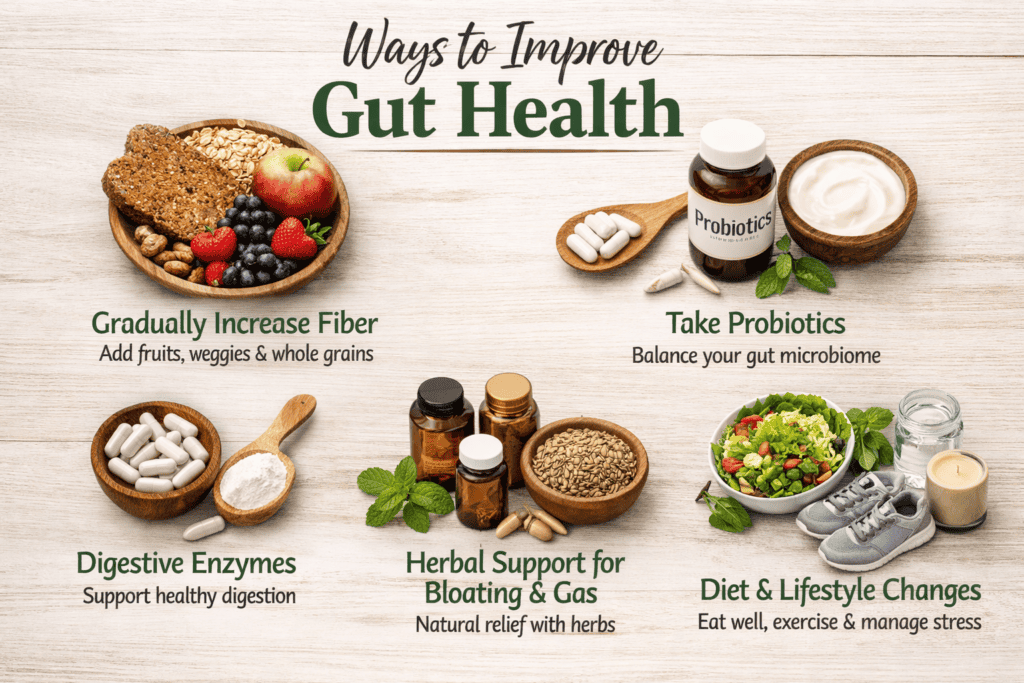
1. Increase Fiber — But Go Slowly
Fiber is arguably the most powerful tool for gut health, and most people aren’t getting nearly enough of it. Fiber feeds beneficial gut bacteria, supports regular bowel movements, helps the body eliminate excess estrogen (remember the estrobolome?), and may reduce cholesterol and inflammation.
The catch: increasing fiber too quickly can temporarily worsen bloating and gas as your microbiome adjusts. Add fiber-rich foods (vegetables, legumes, whole grains, fruit) gradually over several weeks, and increase water intake alongside it. If you have SIBO or certain forms of IBS, a tailored approach with a provider is important, as some fiber types can aggravate symptoms.
If getting enough fiber through food feels like a stretch right now, and for many of us, it honestly does, a fiber supplement can be a helpful bridge. Look for one that contains psyllium husk (one of the most researched fibers for gut motility and cholesterol), inulin, or partially hydrolyzed guar gum (PHGG), which tends to be gentler on the gut than some other types. Avoid supplements with lots of added sugar, artificial sweeteners, or fillers, as these can irritate a sensitive gut. Start with a half dose and work up slowly, the same rule applies here as with food sources. And as always, drink plenty of water when you take it, or it can have the opposite effect.
I personally use Hilma Daily Fiber and Digestive Enzymes powder. Just mix it in water and drink. This has been a game changer for me in reducing acid reflux, bloating and stomach pain. I started taking a 1/2 teaspoon for 4 days, then gradully increased until I worked up to the full dose of 2 teaspoons daily. If you’re dealing with bloating, reflux, or stomach discomfort, especially if you eat a lot of protein, it’s worth trying
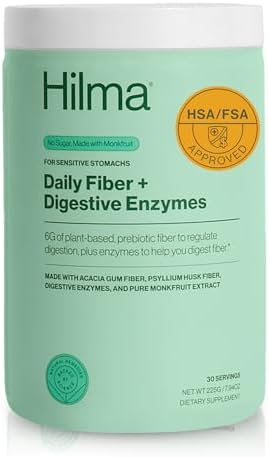
- Promotes optimal digestion and gut health: Prebiotic fibers provide the daily fiber your body needs while digestive enzy…
- Made with prebiotic plant-based fiber: Six grams per serving of natural, gluten-free acacia and psyllium husk fibers fee…
- Vegan fiber powder made for sensitive stomachs: Powerful digestive enzymes work with the fiber to help ease mealtime dis…
2. Probiotics — Worth It, But Not One-Size-Fits-All
Probiotics can be genuinely helpful for gut health, but not all probiotics are the same and more isn’t always better. Different strains address different concerns:
- Lactobacillus acidophilus and Lactobacillus rhamnosus GG are among the most researched for general digestive support and IBS symptom reduction
- Bifidobacterium longum and Bifidobacterium infantis have shown benefit for constipation, bloating, and reducing gut inflammation
- Saccharomyces boulardii is a yeast-based probiotic often used after antibiotics or for diarrhea-predominant symptoms
A few important caveats: probiotics can temporarily increase bloating in some people. In untreated SIBO, they can actually worsen symptoms. And if you’re immunocompromised, check with your provider first. If a probiotic makes you feel worse after two to three weeks, it may not be the right strain for your situation and that’s worth discussing with someone who can help you narrow it down.
There are hundreds of products available on the market so it’s difficult to know which one is best for your needs. I recommend choosing one that has probiotic, prebiotic and postbiotic all in one. Mary Ruth Organics is a brand that I trust and recommend.
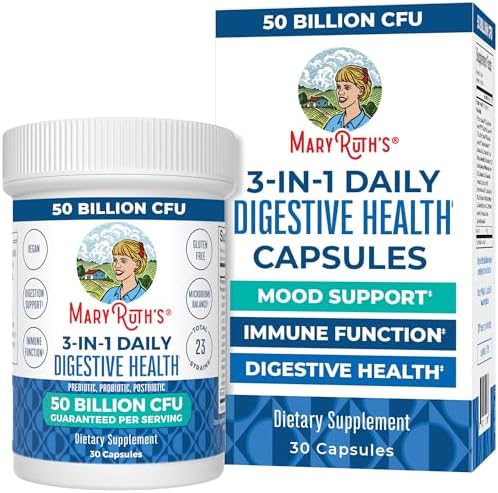
- 3-in-1 Daily Digestive Health: A blend of prebiotics, probiotics, and postbiotics for women & men to support digestion &…
- Powerful Blend: This gut health supplement for women & men is a probiotic formula to support gut health & immune functio…
- Vegan Formula: These probiotics help relieve occasional gas and abdominal discomfort associated with digestive function …
3. Digestive Enzymes and Herbal Support
Some women find meaningful relief from gentle digestive support products, particularly around meals. Digestive enzymes can help break down proteins, fats, and carbohydrates more efficiently which may reduce bloating, gas, and the post-meal heaviness that’s so common in midlife.
Herbal options like peppermint (especially enteric-coated capsules for IBS), ginger, and fennel have solid research behind them for reducing digestive discomfort. Brands like Hilma formulate digestive products using herbal ingredients for bloating, heartburn, and constipation, without the harsh laxatives or chemicals found in some over-the-counter options.
That said, these products help manage symptoms but they don’t identify or fix root causes. They’re a great support tool while you’re doing the deeper work. This is the one I personally take and recommend.
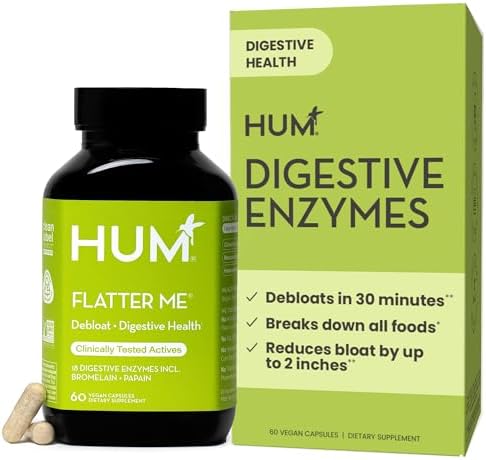
- FAST-ACTING, 30 MINUTE DEBLOAT FORMULA: Support digestion and help with bloating with our blend of 18 full-spectrum dige…
- NATURAL TRIPLE HERB BLEND FOR DIGESTION SUPPORT: Our fast-acting formula is enhanced with a natural triple herb blend of…
- CLINICALLY TESTED RESULTS YOU CAN FEEL: Flatter Me’s advanced digestive enzymes for men and women has been shown to redu…

- Bloated? – Get effective gas & bloat relief, naturally. Hilma’s gas relief for adults uses herbs that break up intestina…
- Safe and Effective – Includes 5 herbs for anti gas & bloating relief: Peppermint Leaf, Fennel, Lemon Balm, Caraway & Ani…
- Perfect For – After a big meal, during that time of the month, or while traveling. Take 2 easy-to-swallow anti-bloating …
4. The Lifestyle Factors That Move the Needle Most
These aren’t flashy, but they work:
- Eat slowly and chew your food thoroughly. Digestion begins in the mouth, and rushed eating is one of the most common causes of bloating
- Avoid eating large meals late in the evening when gut motility naturally slows
- A 10-minute walk after meals has been shown to meaningfully improve blood sugar regulation and support digestion
- Reduce ultra-processed foods, which disrupt the microbiome and contribute to gut inflammation
- Prioritize sleep, gut repair happens during deep sleep, and poor sleep directly affects the microbiome
- Manage chronic stress, this one is non-negotiable. Ongoing stress disrupts gut motility, increases intestinal permeability, and alters the microbiome in measurable ways. Whatever helps you decompress whether its movement, therapy, time in nature, it counts as gut health work
When to Seek Immediate Medical Attention
Please don’t push through any of the following. Seek prompt medical evaluation if you experience:
- Severe or worsening abdominal pain
- Blood in stool (red or dark/tarry)
- Unexplained weight loss
- Persistent vomiting
- New symptoms alongside a family history of colon cancer
These symptoms require professional evaluation and should not be attributed to midlife changes without proper assessment.
A Thoughtful, Sustainable Approach to Gut Health in Midlife
Here’s what I want you to take away from all of this: what you’re experiencing is real, it makes physiological sense, and you don’t have to just accept it as inevitable.
Gut health in midlife isn’t about buying a shelf full of supplements or following a restrictive protocol. It’s about building a clearer picture of what’s happening in your body: the hormone shifts, the microbiome changes, the lifestyle factors and making gradual, sustainable improvements that your body can actually absorb and respond to.
It means increasing fiber slowly and giving your gut time to adjust. Choosing a probiotic thoughtfully, with the right strains for your specific symptoms. Noticing which foods, stress patterns, or sleep habits seem to trigger your worst days. And bringing specific, informed questions to your healthcare provider so you can work together rather than feeling dismissed.
You know your body better than anyone. And understanding the connection between your hormones and your gut gives you better language, better questions, and more confidence to advocate for the care you deserve.
Midlife digestion changes are common but they’re also a signal worth listening to. Your gut is trying to tell you something. With the right knowledge and support, you can start to hear it clearly.
Have questions or want to share what’s worked for you? Drop a comment below, this community learns best together. Or send us a message on our Contact Page.






Leave a Reply