
3 Best Gadgets for Joint Pain Relief at Home for Midlife

Affiliate Disclosure: This page contains affiliate links. If you purchase through my links, I may earn a commission at no extra cost to you. As an Amazon Associate I earn from qualifying purchases.
If you’re dealing with stiff joints, chronic aches, or that persistent discomfort that seems to have become your midlife companion, you’re not alone. I’m right there with you, navigating this stage of life and searching for relief that actually works without reaching for another pill bottle. In this guide, I’m sharing the best pain relief gadgets for midlife adults, including heating pads, red light therapy devices, and foot massagers to help ease joint pain naturally at home.
After years of trial and error (and plenty of wasted money on products that didn’t deliver), I’ve found three categories of pain relief tools that genuinely make a difference for everyday aches and pains. Whether you’re dealing with lower back stiffness, inflamed joints, or feet that hurt after a long day, there’s a solution here that can help.
Let me walk you through what’s actually worth your money for natural pain relief at home.
Quick Picks
- Best for quick relief: Heating pad
- Best for inflammation long-term: Red light therapy
- Best for feet/standing pain: Foot massager
Heating Pads for Joint Pain Relief (Quick Comfort at Home)
There’s something deeply satisfying about heat therapy when your lower back is screaming or your knees are protesting every step. Heating pads remain one of the most effective, affordable ways to manage the kind of pain that settles into our joints and muscles as we age.
What heating pads work best for
Heating pads excel at soothing arthitis pain and stiff joints, particularly in your back, hips, and knees. They increase blood flow to the affected area, relax tight muscles, and provide almost immediate comfort. If you wake up stiff or finish your day with aching joints, a good heating pad becomes your best friend.
What to look for in a heating pad
Not all heating pads are created equal. Here’s what separates the worthwhile options from the frustrating ones:
Size and coverage. Consider which body parts you’ll be treating most often. Smaller pads work for knees and elbows, while larger ones are essential for back and hip pain. Some wraps are designed specifically for joints and stay in place better than flat pads.
Heat settings. Look for at least three heat levels. You want gentle warmth for sensitive areas and higher heat for deeper muscle tension. Digital controls are easier to adjust than old-style dials.
Material and comfort. Soft, washable covers make a huge difference in daily use. Moist heat options can penetrate deeper than dry heat alone, which helps with stubborn joint pain.
Auto-shutoff. This safety feature is non-negotiable, especially if you tend to fall asleep with your heating pad (guilty as charged).
Cord length. A short cord limits where you can use your pad comfortably. Aim for at least six feet so you’re not tethered right next to an outlet.
Top heating pad picks
For versatile, everyday use: A large electric heating pad with microplush fabric and multiple heat settings handles everything from shoulder tension to lower back pain. Look for models around 12×24 inches with fast heating (under two minutes) and machine-washable covers.
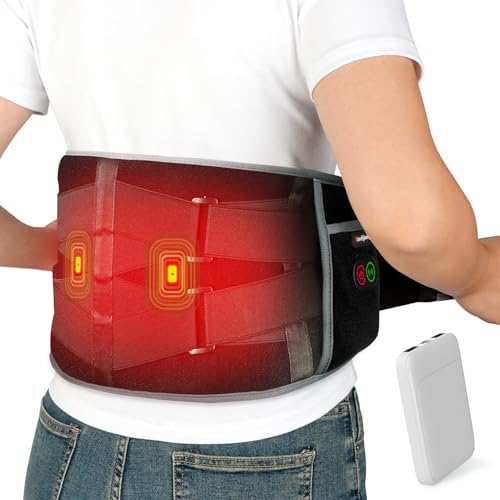
For targeted joint relief: Heated wraps designed specifically for knees, shoulders, or elbows stay in place during movement and provide consistent heat exactly where you need it. Velcro closures let you adjust the fit, and rechargeable battery options mean you’re not stuck near an outlet.
For neck and shoulders: A contoured heating pad that drapes over your shoulders and neck addresses the tension many of us carry in our upper body. Weighted options provide gentle pressure along with heat for extra relief.
For moist heat therapy: Some heating pads include a sponge pocket that adds moisture to the heat, which penetrates deeper into joints and muscles. These work particularly well for arthritis pain and chronic stiffness.
Budget-friendly option: Basic electric heating pads without all the bells and whistles still deliver effective relief. Look for models with at least low/medium/high settings and a two-hour auto-shutoff for safe, reliable heat therapy.


Red Light Therapy for Joint Pain & Inflammation (Long-Term Support)
Red light therapy has moved from something used only in medical offices to an accessible at-home treatment that addresses inflammation at a cellular level. Unlike heating pads that provide temporary relief, red light therapy devices work to reduce inflammation over time with consistent use.
According to the Cleveland Clinic, red light therapy is considered a safe, non-toxic and non-invasive form of therapy for arthritis pain and inflammation.

What red light therapy works best for
Red light therapy shines (literally) when it comes to supporting your body’s natural inflammation response. It’s particularly helpful for joint pain, muscle recovery, and chronic inflammatory conditions. Many people also notice improvements in skin health, sleep quality, and overall energy as bonus benefits.
This isn’t about immediate relief after a hard day. It’s about building a routine that gradually reduces the underlying inflammation contributing to your daily discomfort.
What to look for in a red light therapy device
The red light therapy market has exploded recently, which means plenty of overpriced gadgets that don’t deliver. Here’s how to identify the real deal:
Wavelength. Look for devices offering both red light (around 660nm) and near-infrared light (around 850nm). Red light works on surface-level inflammation and skin, while near-infrared penetrates deeper to reach joints and muscles.
Power output. The irradiance (measured in mW/cm²) determines how much light energy actually reaches your body. Higher irradiance means shorter treatment times. Aim for at least 100 mW/cm² at 6 inches from the device.
Coverage area. Larger panels treat more of your body at once, reducing session time. Smaller devices work fine if you’re targeting specific joints, but full-body inflammation support requires adequate coverage.
EMF levels. Quality devices minimize electromagnetic field emissions. Check that EMF readings are low, especially since you’ll be using this device regularly.
Durability and warranty. Red light devices represent a bigger investment than heating pads, so warranty coverage (at least one year, ideally two or three) protects that investment.
Top red light therapy picks
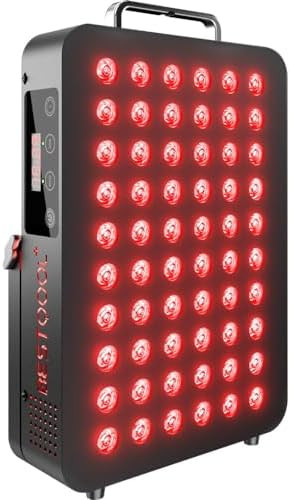
For full-body treatment: Large panel devices (typically 24×36 inches or bigger) let you sit or stand in front of them for 10-20 minute sessions. Look for models with both red and near-infrared LEDs, built-in timers, and adjustable stands for flexible positioning.
For targeted joint pain: Smaller panel devices or flexible pads work well if your primary concern is specific joints like knees, shoulders, or elbows. Some wrap-style devices secure around the affected area, letting you move around during treatment.
For portable use: Compact red light devices are perfect if you travel frequently or want something you can use at the office. Battery-powered options offer the most flexibility, though they typically have smaller coverage areas.
For budget-conscious buyers: Mid-sized panels (around 12×18 inches) provide a balance between coverage and cost. You can always start with one panel and add another later if you want to expand your treatment area.
For serious inflammation issues: High-powered professional-grade panels deliver stronger irradiance for faster results. These cost more but reduce treatment time and may provide better outcomes for chronic inflammatory conditions.


Foot Massagers for Plantar Fasciitis & Foot Pain Relief
Your feet take a beating, especially in midlife when plantar fasciitis, flat arches, and general foot soreness become unwelcome companions. A quality foot massager addresses pain that radiates up from your feet through your entire body.
What foot massagers work best for
Foot massagers target plantar fasciitis, general foot soreness from standing or walking all day, and circulation issues that can develop as we age. They work on foot and ankle pain, but the benefits often extend upward, relieving foot tension can ease calf tightness, knee discomfort, and even lower back pain.
If you spend significant time on your feet, wake up with heel pain, or notice your feet aching by evening, a foot massager can transform your daily comfort.
What to look for in a foot massager
The foot massager market ranges from simple roller devices to elaborate spa-like systems. Here’s what actually matters:
Massage technique. Different mechanisms provide different benefits. Kneading motions work deep into foot muscles, while air compression improves circulation. Shiatsu-style massagers target pressure points. Rolling mechanisms help with arch and heel pain. The best devices combine multiple techniques.
Heat function. Adding gentle heat to foot massage increases blood flow and enhances muscle relaxation. This is particularly beneficial for chronic plantar fasciitis and arthritis in the feet and ankles.
Adjustability. Your feet are unique, and your pain patterns change. Look for customizable intensity levels, removable/adjustable rollers or nodes, and settings that let you focus on specific areas (heels, arches, toes).
Size accommodation. Make sure the massager fits your actual feet. Some devices struggle with larger shoe sizes, while others feel too spacious for smaller feet. Adjustable features help, but check the size specifications before buying.
Ease of cleaning. Removable, washable fabric covers make maintenance simple. Some foot massagers have surfaces that wipe clean easily, while others collect dust and become breeding grounds for bacteria.
Top foot massager picks
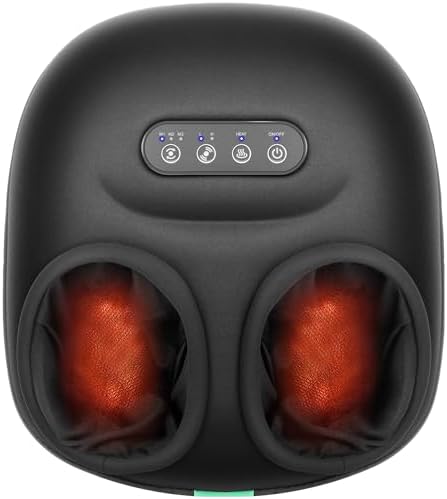
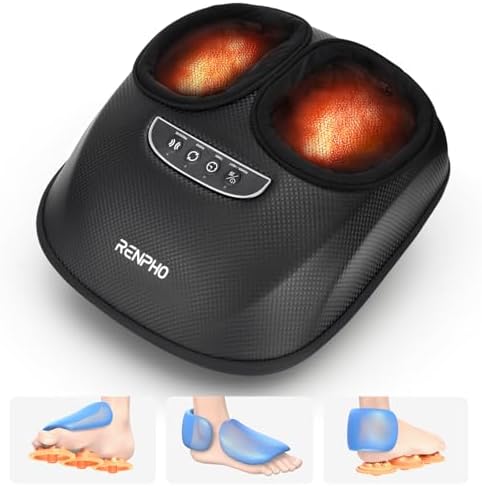
For plantar fasciitis relief: Shiatsu-style massagers with deep-kneading rotating heads specifically target the heel and arch pain associated with plantar fasciitis. Look for models with adjustable intensity since inflamed tissue can be quite sensitive. Heat functions provide additional relief.
For all-day standing: Devices combining air compression with kneading massage improve circulation and reduce the heavy, swollen feeling that comes from being on your feet all day. Models that extend up the ankle and lower calf address the full range of standing-related discomfort.
For general foot soreness: Electric foot massagers with multiple settings and techniques give you flexibility to address different types of foot pain. Look for devices offering heat, various massage patterns, and the ability to focus on specific areas.
For portability: Compact, lightweight foot massagers work well if you want relief at the office or while traveling. Some run on batteries or USB power, though they typically offer less power than plug-in models.
Budget option: Simple foot roller massagers or manual massage balls don’t require electricity but still provide targeted relief. These work best when you can apply pressure yourself and want something supplemental to use throughout the day.
![Nekteck Shiatsu Foot Massager with Heat [2026 Upgraded], 3 Modes ...](https://m.media-amazon.com/images/I/41ikpLvuPeL._AC_.jpg)
Frequently Asked Questions
How often should I use these pain relief tools?
Heating pads can be used multiple times daily for 15-20 minute sessions. Red light therapy works best with consistent daily use (10-20 minutes). Foot massagers are typically safe for 15-30 minute sessions once or twice daily. Listen to your body and adjust frequency as needed.
Can I use these if I have specific medical conditions?
Always consult your healthcare provider before starting any new pain management approach, especially if you have diabetes, circulatory problems, neuropathy, or are pregnant. Some conditions make heat therapy inadvisable, and certain medications can affect your sensitivity to heat.
How long before I see results?
Heating pads and foot massagers provide immediate relief, though the benefits are temporary. Red light therapy requires consistent use for several weeks (typically 4-8 weeks) before you notice significant improvements in inflammation and pain levels.
Are these worth it compared to professional treatments?
These tools complement but don’t replace professional care when needed. However, they provide affordable, convenient relief you can access daily at home. Over time, the cost savings compared to regular massage, physical therapy sessions, or pain medications can be substantial.
Can I use multiple types together?
Absolutely. Many people combine heating pads for immediate relief with red light therapy for long-term inflammation management. Using a foot massager before or after other therapies can enhance overall results. Just avoid using heat therapy and red light therapy simultaneously on the same area.
Which One Should You Buy?
Still not sure where to start? Here’s my straightforward recommendation:
If you want quick relief for immediate pain: Start with a heating pad. It provides instant comfort for stiff joints and tight muscles, costs less than other options, and you’ll use it regularly. A quality heating pad with multiple settings and good coverage serves you well for years.
If you want a routine tool for long-term inflammation management: Invest in red light therapy. The upfront cost is higher, but daily use addresses underlying inflammation rather than just masking symptoms. This is your best bet if you’re dealing with chronic inflammatory conditions and want to reduce your reliance on pain medications.
If your pain is mostly in your feet and ankles: Go for a foot massager. The targeted relief for plantar fasciitis, general foot soreness, and circulation issues makes this the clear choice when foot pain dominates your discomfort.
My honest take: If you can swing it, having both a heating pad and one other option gives you the most flexibility. I keep a heating pad for bad days when my back is screaming, use my red light therapy panel most mornings as part of my routine, and pull out the foot massager after days when I’ve been on my feet too much.
The goal isn’t to buy everything at once. It’s finding what actually works for your specific pain patterns and building sustainable relief into your daily life.
Your body has carried you this far, it deserves support that actually helps.
Looking for more midlife wellness solutions? I share practical, no-nonsense strategies for managing stress, pain, and the challenges that come with this stage of life. Real talk from someone living it, not someone who figured it all out years ago.
Related Posts:
- The Realistic 12-Week Workout Plan fo Women Over 50 (No Gym Required)
- 5 Lifestyle Habits That Helped Me Reduce Inflammation + Joint Pain
- The Truth About The Midlife Transition (And Why It Feels So Heavy)





Leave a Reply