5 Lifestyle Habits That Helped Me Reduce Inflammation + Joint Pain
Affiliate Disclosure: This page contains affiliate links. If you purchase through my links, I may earn a commission at no extra cost to you. As an Amazon Associate I earn from qualifying purchases.
Over the last 10 years, I noticed my body changing, likely due to a combination of job stress, hormonal imbalances, and a more sedentary lifestyle. Add in years of poor nutrition, long hours, and being on call 24/7, and it’s no surprise my body was crying out for help through inflammation and joint pain.
Chronic stress, especially over long periods, can increase cortisol, disrupt hormones, and lead to insulin resistance, a key driver of inflammation. (See my post: Understanding Insulin Resistance in Midlife for more.) That’s why stress management became just as important to me as food or fitness.
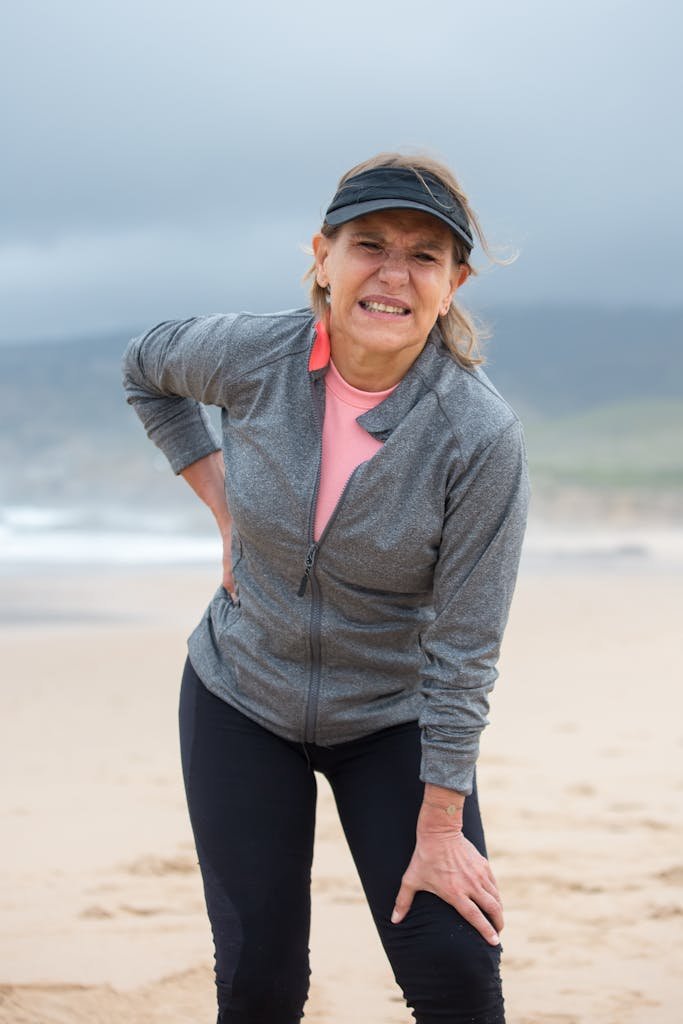
Here are 5 simple but powerful lifestyle changes that helped reduce inflammation and ease my joint pain:
1. Nutrition
When my metabolism stalled in my 30s, I tried everything (HCG, keto, low-carb, low-fat). Looking back, I wish I had just focused on real, whole foods and avoided extremes.
Now, I follow a whole food diet with eggs, chicken, fruit, and nutrient-rich veggies. I focus on balance: protein, fiber, healthy fats, and low-glycemic carbs. And most importantly, I ditched the word “diet.” Just calling it “eating well” helped remove the feelings of restriction.
What I limit:
- Ultra-processed foods
- Added sugars
- Highly refined oils (especially seed oils which are highly inflammatory)
- Packaged meals and baked goods
Tip: Aim for 25–30g of protein per meal, fill half your plate with vegetables, and include a small portion of healthy fats.
Note: I’m not a licensed nutritionist, this is based on personal research and experience. Always consult your healthcare provider before making dietary changes.
2. Supplements
I’ve wasted thousands over the years chasing the “perfect” supplement. The truth is: quality matters, and less is more. Many cheaper supplements contain fillers or don’t deliver the ingredients they promise.
That said, a few have made a real difference in my inflammation, joint health, and energy.
My daily supplement stack:
- AG1 – all-in-one multivitamin, probiotic, and superfood blend
- AG1 D3/K2 – add these drops to my AG1
- Omega-3s – Fish Oil or Vegan
- Equilibria – CBD Daily Softgels (for calming inflammation & stress)
- Electrolytes to support hydration – LMNT or Ultima+ Mineral Salt
- Magnesium Glycinate & Malate (capsule) or liquid Magnesium Complex
For insulin resistance/PCOS:
Always choose third-party tested brands and consult a professional if unsure what’s right for you or to prevent interactions with any medications.
If I could only take 2 of the above recommendations, it would be Omega 3 and Magesium Glycinate. Magnesium regulates over 300 processes in your body and most people in midlife have some level of deficiency.
3. Stress Management
I didn’t fully understand how much stress I was holding until I left the job that caused most of it.
Working 9–10 hour days, managing a household, being “on” constantly, it adds up. And it can silently drive inflammation through elevated cortisol and nervous system overload.
Here’s what’s helped me calm my stress response:
Calming Tools:
- Meditation – start small; even 5 minutes helps
- Apollo Neuro – Wearable Tech is another way to help manage stress while doing your daily routine or even while you sleep. This is what I use daily. I can set it and go about my routine, it works while I do to calm my cortisol.
- Infrared Therapy – I use the HigherDose Sauna Blanket, but Amazon has great red light panels too.
Easy Daily Stress Relievers:
- Nature walks (10–15 mins)
- Calming music
- Box breathing (inhale 4, hold 4, exhale 4, hold 4)
- Somatic exercises – try @theworkoutwitch_ on IG/YouTube (no affiliation)
- Even small changes here can have a big ripple effect.
4. Movement
Movement isn’t just about workouts, it’s how often you move all day long.
Doing chores, walking the dog, taking the stairs, it all matters. An hour at the gym won’t undo 10 hours on the couch.
Ways I sneak in more daily movement:
- Park farther from entrances
- Stretch while watching TV
- Take standing breaks during work
- Walk during phone calls
- Do heel raises while cooking
- Put your phone across the room (you’ll move more than you think!)
Consistency > intensity.
One simple but highly effective move that helped me with lower back issues is doing deep squats and holding them for as long as possible. This stretches out your hip flexors which can make worsen lower back pain. I’m not kidding when I say I do them daily now and this has kept me from pulling my back out and spending days in bed.

5. Hydration & Reducing Toxins
Proper hydration helps flush out toxins and supports every system in the body especially the lymphatic system, which is key to reducing inflammation.
I also began reducing toxic load in my home and self-care products.
Simple swaps to consider:
- Filtered water & electrolytes
- Avoid smoking & alcohol
- Air purifiers help to remove environmental toxins/allergens in the air
- Large rooms: Medify MA-40
- Small rooms: Medify MA-14
- Switched to non-toxic brands for:
- Makeup, skin care and lotions
- Body wash/soaps
- Hair products
- Laundry soap/fabric softener
- Dish soap
- Cleaning products
- Food and beverages
- Lawn pesticide/fertilizer
- Candles/air freshener
Reducing what your body has to “filter out” lowers its overall stress load leading to less inflammation and more energy.
Final Thoughts
Reducing inflammation isn’t about doing everything perfectly. It’s about small, sustainable changes that support your body’s natural ability to heal.
These five habits helped me feel better with less pain, more energy, and clearer thinking. It didn’t happen overnight, but each little step added up.
If you’re feeling stuck, start with one area (nutrition, hydration, movement) and build from there. Your body is always listening, and it’s never too late to begin again.
Disclaimer:
The information shared in this post is based on my personal experience and is intended for educational and informational purposes only. It is not medical advice and should not be treated as such. Everyone is different, and what worked for me may not be right for you. Please consult your healthcare provider before making any changes to your health routine, especially if you have a medical condition or are taking medications



Leave a Reply