
Why Your Face Changes in Midlife (And What You Can Actually Do About It)
Affiliate Disclosure: This page contains affiliate links. If you purchase through my links, I may earn a commission at no extra cost to you. As an Amazon Associate, I earn from qualifying purchases. This content is for educational purposes only and is not medical advice. Always consult your healthcare provider regarding persistent or severe symptoms.

Have you ever looked in the mirror and noticed your face just looks… different? Maybe your skin seems duller, your eyes look puffier, or the shape of your face has subtly shifted. If you’re in perimenopause or menopause, there’s a very good reason for what you’re seeing, and it has nothing to do with how well you’re aging.
In this post, we’ll walk through what’s actually driving these changes, why they often seem to happen overnight, and most importantly, what you can do about them.
What You Might Be Noticing
Most women don’t expect their face to change this dramatically or this quickly during midlife. Some of the most common things women notice include:
- Loss of firmness or elasticity — the overall shape of the face can shift, often around the jawline and cheeks
- Puffiness, especially around the eyes and mid-face
- Skin that’s dry in some areas and oily in others
- Fine lines that seem to deepen faster than before
- Age spots or uneven skin tone
- Skin tags — often linked to insulin resistance, which becomes more common in midlife
- Sudden breakouts, particularly along the jawline
- Increased redness or sensitivity
If any of these sound familiar, you’re not imagining things and you’re definitely not alone.
Why Your Face Changes in Midlife
These changes are driven by a combination of hormonal shifts, lifestyle factors, and natural biological processes. Here’s what’s happening beneath the surface:
1. Estrogen Decline and Collagen Loss
Estrogen plays a critical role in maintaining skin structure. It supports collagen production, keeps skin hydrated, and helps maintain elasticity. During perimenopause and menopause, estrogen levels drop significantly and skin collagen can decline by as much as 30% in the first five years after menopause. The result is thinner skin, deeper lines, and a loss of the subtle fullness that comes from a healthy collagen matrix.
2. Fluid Retention and Inflammation
Hormonal fluctuations affect how your body regulates fluids. Shifts in estrogen and progesterone can trigger water retention, which often shows up as puffiness around the eyes and mid-face. Elevated cortisol from chronic stress compounds this, driving both inflammation and fluid retention.
3. Slower Cell Turnover
Skin renews itself through a process called cell turnover, old cells shed and new ones replace them. In your 20s and 30s, this happens roughly every 28 days. In midlife, that process slows considerably, resulting in duller, uneven skin tone and more visible fine lines.
4. Skin Barrier Disruption
The skin barrier, the outermost protective layer becomes compromised during hormonal shifts. This is why so many women find themselves with skin that’s tight and dry in some spots while being oily or breakout-prone in others. The barrier simply isn’t functioning the way it used to.
5. Fat Redistribution
Estrogen influences where the body stores fat, including the small fat pads in the face that provide youthful volume and structure. As estrogen declines, these fat pads can shift downward or diminish, contributing to hollowing around the eyes, flattened cheeks, and a softened jawline.
6. Bone Density Changes
The bones of the face, particularly around the jaw and eye sockets, can gradually lose density over time. This affects the structural foundation of the face, which in turn changes how the overlying skin and tissue sit.
7. The Gut-Skin Connection
The gut and skin are deeply connected through what’s called the gut-skin axis, a communication network involving the immune, nervous, and endocrine systems. When the gut microbiome is out of balance (which stress, poor sleep, and hormonal shifts all contribute to), it can drive systemic inflammation that shows up directly in the skin. Read more on gut health HERE.
What Actually Helps
The good news is that these changes are not inevitable. Many are improvable with consistent effort, not a perfect routine, not hours each day, just a few key practices done regularly.
Support From the Inside Out
Topical products can only do so much. The most meaningful changes in skin health start internally:
- Protein: Aim for around 30 grams per meal. Protein provides the amino acids your skin needs to produce collagen, most midlife women aren’t getting enough.
- Strength training: 2-3 times per week. Resistance exercise supports muscle mass, metabolism, and hormone balance, all of which affect your skin.
- Sleep: 6-8 hours per night. Skin repair and regeneration happen during sleep. Consistently poor sleep accelerates visible aging more than almost anything else.
- Omega-3s: A quality supplement (or regular fatty fish) reduces inflammation, which directly impacts skin clarity and elasticity.
- Hydration: A baseline of 8-10 cups per day, more if you’re drinking caffeine or exercising.
- Limit processed foods and sugar: Both drive inflammation and accelerate collagen breakdown.
Nervous System Regulation
Chronic stress elevates cortisol, which directly damages collagen, drives fluid retention, and disrupts hormonal balance. Managing stress isn’t optional, it is skin care. Some of the most effective and accessible approaches:
- Breathwork: Even 5 minutes of slow, deliberate breathing activates the parasympathetic nervous system and lowers cortisol.
- Walking: A 20-minute walk is one of the most underrated stress regulators and can measurably shift your nervous system state.
- Magnesium: Many women are deficient. Magnesium glycinate or threonate supports sleep, reduces anxiety, and eases muscle tension.
- Apollo Neuro: A wearable device that uses gentle vibration to support nervous system recovery, an investment but worth exploring if other approaches haven’t helped. I personally use mine every day to manage my stress and anxiety. Check out my full review HERE.
Topical Skin Support
A solid routine doesn’t need to be complicated or expensive. Consistency with a few key products makes a real difference:
- Daily cleansing + moisturizer: Keep it simple and gentle. I personally use Dime Beauty. They are clean products that work well for all skins types. They have products for every need and skin type. Below I’ve linked the cleanser and moisturizer I use but they have serums and other treatments as well. All available on Amazon.
- Topical estrogen cream (prescription): If you’re working with a hormone health practitioner, ask about topical estrogen cream for the face. Applied directly to the skin, it can greatly improve dryness and elasticity over time and for some women, it replaces a traditional moisturizer entirely. I use one myself and the difference in my skin’s texture and overall appearance has been noticeable. Worth the conversation at your next appointment.
- Barrier repair: Serums with hyaluronic acid (hydration) or glycolic acid (gentle resurfacing) address two of the most common midlife skin concerns. Maree has a great product with glycolic acid that I’ve been using as my exfoliator, you can check it out here: Maree Glycolic Acid Pads
- Retinol (if tolerated): One of the most well-researched ingredients for stimulating collagen. Start with a low concentration, apply at night, and patch test first.
- Peptides: Short-chain amino acids that signal the skin to produce more collagen and elastin, a gentler option if retinol causes irritation.
- Red light therapy: Available in face masks and handheld devices. Stimulates collagen synthesis and works well alongside serums and peptides. I’ve linked two options below: a full face mask and a smaller handheld wand, so you can choose based on budget and preference
- Body moisturizer: Don’t forget the rest of your skin. Look for non-toxic brands like Pacifica, OSEA, or Just Ingredients.
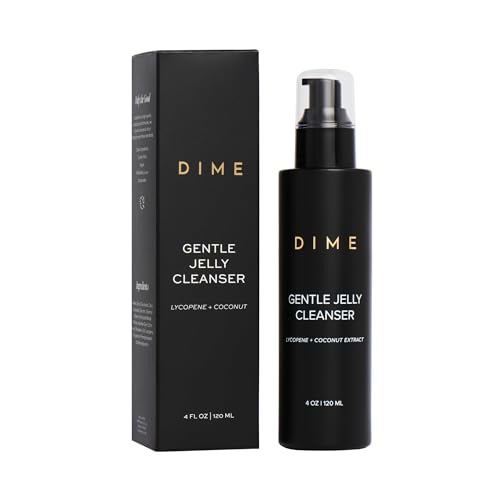
- GENTLE FACE CLEANSER: Designed to gently cleanse and nourish skin, this cleanser face wash hydrates and soothes as it de…
- NOURISHING INGREDIENTS: The unique formula of our gentle cleanser contains a blend of naturally-derived surfactants like…
- WORKS FOR ALL SKIN TYPES: This moisturizing, gentle face wash is non-foaming and perfect for those with sensitive skin, …

- DAILY FACIAL MOISTURIZER: Our ultra-hydrating Dewy Day Cream infuses the skin with a multi-layered moisture system. A po…
- HYDRATING INGREDIENTS: Packed with nourishing ingredients like rosehip seed oil, ceramide 3, snow mushroom (tremella mus…
- PLUMPS AND FIRMS: The super start ingredients included in this anti-aging moisturizer and firming cream naturally help l…

- 【3 Modes Red Light Therapy for Face】red light (630nm) + near-infrared light (830nm), blue light (460nm) and yellow light…
- 【RED Light Mask with Timing Function】Equipped with a remote control handle, which can easily control the timing function…
- 【Portable & Equipped with Eye Mask】Thoughtful eye mask to protect your eyes from strong light. Light weight, soft silico…

- The uniquely curved Arc massage head effortlessly glides along your face, helping to improve absorption of creams and lo…
- Our Doset Facial Massager offers 3 modes of operation, providing a versatile and customizable experience
- Specifically designed for women, our Face Massager is incredibly easy to use
When It Might Be Hormone-Related
Some facial changes point more directly to a specific hormonal imbalance. If you’re noticing any of the following, it’s worth a conversation with a doctor who specializes in hormone health:
- Excess facial hair (chin or upper lip): Often linked to elevated testosterone or a shifted estrogen-to-testosterone ratio.
- Persistent jawline acne: A common sign of fluctuating progesterone and testosterone.
- Extreme dryness or sudden increase in oiliness: Rapid swings often signal estrogen instability.
- Rapid loss of firmness: May indicate more significant estrogen decline than typical.
- Facial puffiness or swelling: Can point to cortisol imbalance or thyroid issues.
- Melasma (brown patches): Triggered by hormonal fluctuations and worsened by sun exposure.
If these changes are happening alongside disrupted sleep, mood shifts, irregular cycles, or brain fog, that’s a signal worth taking seriously. Read more about perimenopause and menopause HERE.

You Don’t Need Hours. You Just Need Consistency.
Here’s the reality for most midlife women: you’re exhausted. Your to-do list never ends. The idea of adding anything else to your day can feel completely overwhelming. That’s real, and it’s valid.
So let’s keep this realistic. You don’t need a 90-minute wellness routine. You don’t need to overhaul everything at once. What creates actual change is showing up consistently, even on the hard days, even when you’re running low, even when it’s just 20 minutes.
Twenty minutes is genuinely enough to start. Ten minutes on a simple skincare routine and ten minutes on something that helps your nervous system reset such as a walk, a few rounds of deep breathing, a quiet stretch. Done consistently over weeks and months, those small investments compound into real, visible change.
The hard part isn’t the routine itself. It’s deciding, repeatedly, that you’re worth 20 minutes, especially when life is pulling you in every other direction. But here’s what’s true: habits that feel like effort in the beginning become second nature over time. The consistency gets easier. The results show up. And you will feel better for having made that commitment to yourself.
These changes don’t have to be permanent. Your skin, your hormones, and your wellbeing are all responsive. Start with one thing. Stay consistent. And give your body the time it needs to show you what’s possible.
What’s one change from this list you could start this week? Drop it in the comments, I’d love to hear.
Related Posts
- Gut Health in Midlife: Symptoms, Hormones, Testing & What Actually Helps
- Understanding Insulin Resistance in Midlife: What It Is, What Causes It, and How to Reverse It
- Perimenopause & Menopause: The Symptoms No One Warns You About (And What to Do Next)
- The Truth About the Midlife Transition (and Why It Feels So Heavy)






Leave a Reply